Yangzhou Kangcheng Power Equipment Co., Ltd.
2026-09-04
Контент
Когда менеджер по закупкам видит в списке проектов «резервный комплект на 260 кВт», первый вопрос обычно заключается в том, сможет ли блок мощностью 325 кВА справиться со всем, что запускается одновременно. Ответ: «Это зависит», и это зависит от пускового тока, коэффициента мощности и того, используется ли комплект для резервного или основного питания.
Вот итог: дизель-генераторная установка Cummins мощностью 260 кВт — это проверенный и надежный выбор для большинства промышленных и коммерческих применений, но вы должны различать резервные и основные номиналы и проверять пусковые нагрузки двигателя. В этой статье рассматриваются технические характеристики, соответствие условиям применения, конфигурация и приемочные проверки, чтобы вы могли решить, подходит ли комплект Cummins мощностью 260 кВт для вашего проекта.
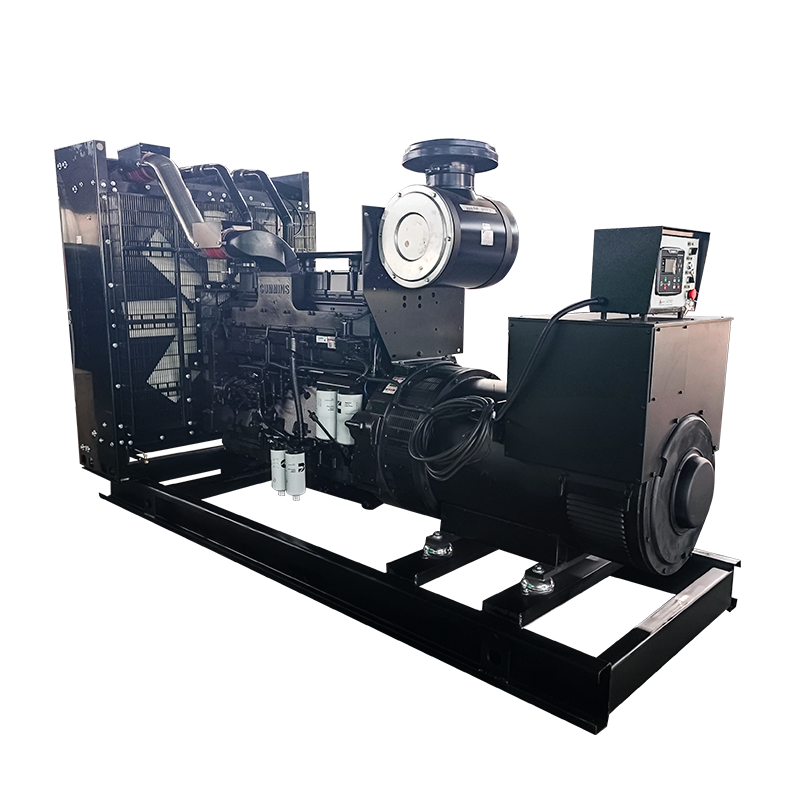
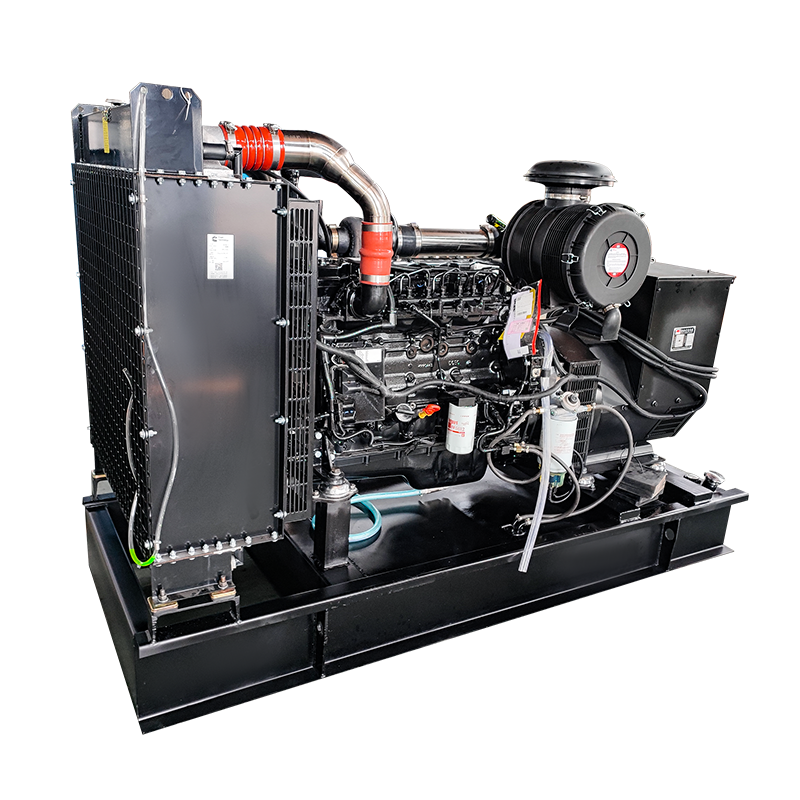
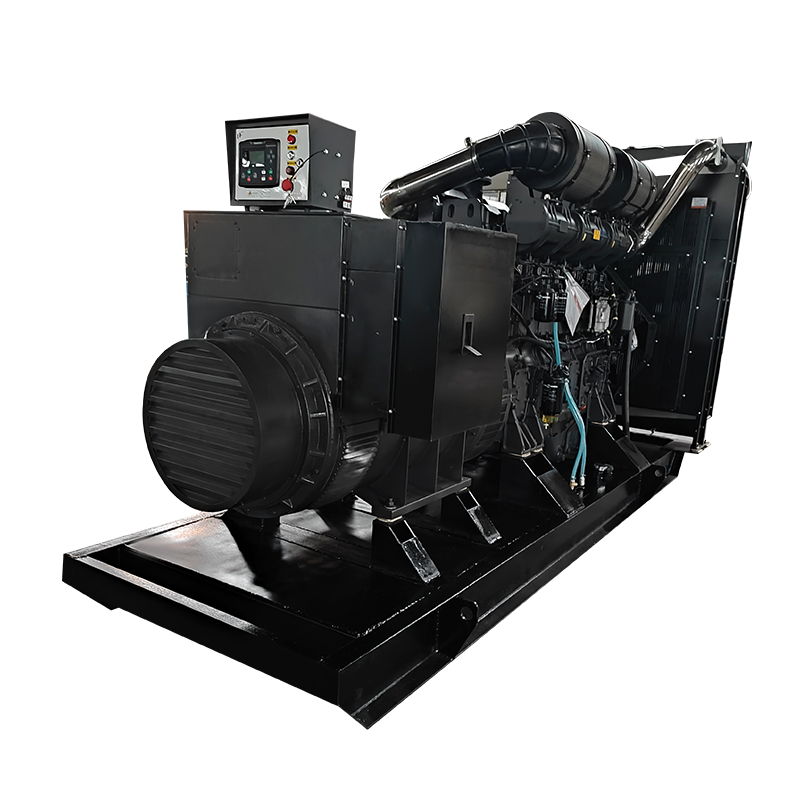
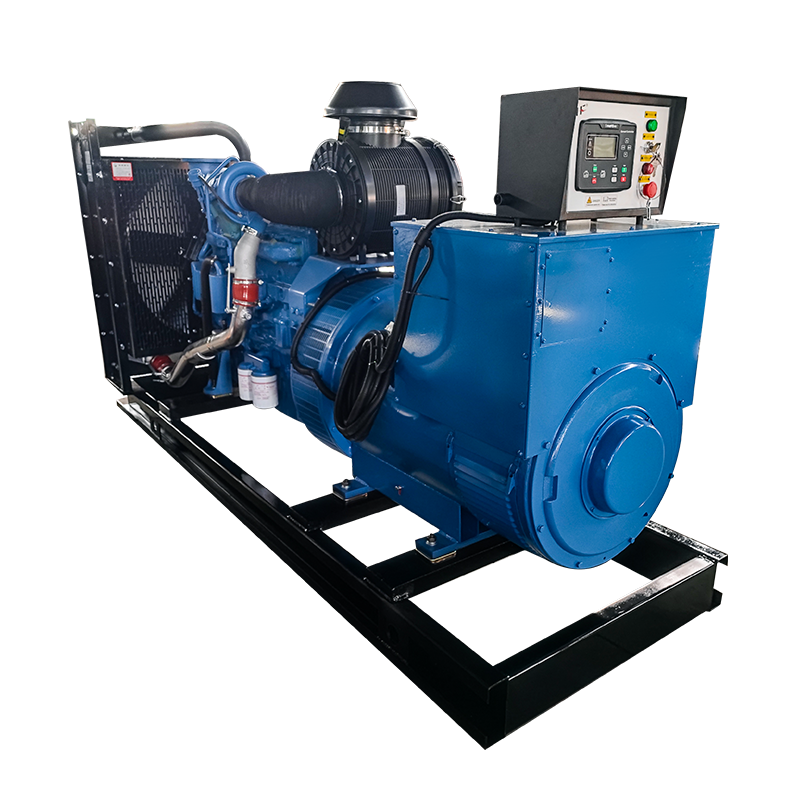
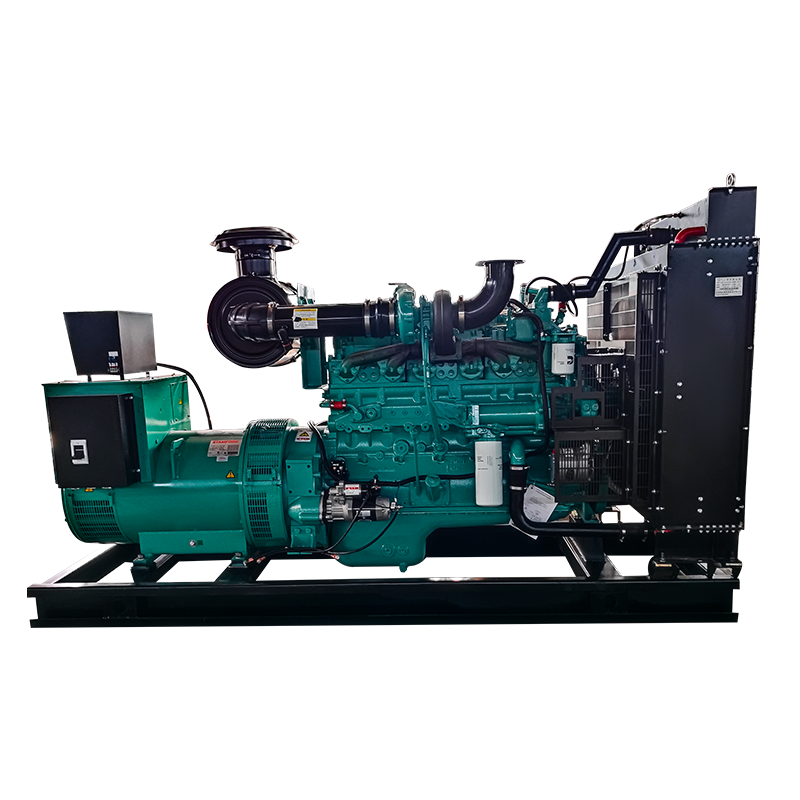 Дизель-генераторная установка Cummins мощностью 260 кВт для промышленного применения Эта генераторная установка Cummins мощностью 260 кВт — надежный выбор для промышленного и коммерческого использования; однако проверьте номинальные характеристики режима ожидания и основного режима работы, а также требования к запуску двигателя. Мощность на валу 260 кВт соответствует мощности 325 кВА при коэффициенте мощности 0,8, что влияет на размер кабеля и выключателя. Посмотреть продукт →
 260 кВт — это мощность на валу, а не полная мощность. При обычном коэффициенте мощности 0,8 мощность 260 кВт соответствует 325 кВА. Это соотношение определяет размер кабеля, выключателя и АВР. В таблице ниже показаны типичные параметры двигателя Chongqing Cummins мощностью 260 кВт в стандартной конфигурации.
| Товар | Типичное значение | Примечания |
|---|---|---|
| Номинальная мощность (кВт) | 260 кВт | Основной или резервный рейтинг должен быть подтвержден. |
| Полная мощность (кВА) | 325 кВА | При коэффициенте мощности 0,8 |
| Двигатель | Чунцин Cummins серии NTA855 | 6-цилиндровый четырехтактный |
| Генератор | Стэмфорд/Марафон, бесщеточный | Регулирование напряжения АРН |
| Напряжение/частота | 400 В/50 Гц или 480 В/60 Гц | Зависит от проекта |
| Расход топлива при 100% нагрузке | Около 65 л/ч | Плотность дизельного топлива 0,835 кг/л |
Ключевое различие здесь — резервный и основной рейтинг. Если на паспортной табличке написано «Режим ожидания», установка может работать с такой нагрузкой только в течение коротких периодов времени. Если написано «Prime», непрерывная работа с такой нагрузкой разрешена. Многие ошибки в спецификации случаются, когда резервный рейтинг рассматривается как основной рейтинг.
Этот рейтинг является распространенным, поскольку он находится на границе большинства малых и средних предприятий: он недостаточно велик, чтобы требовать специального питания, но достаточно велик, чтобы обеспечить питанием всю производственную стадию или критически важную систему. Типичные области применения включают центры обработки данных, пищевую промышленность, резервное копирование больниц, муниципальные насосные станции и коммерческие здания.
При оценке комплекта Cummins мощностью 260 кВт для конкретной отрасли сначала проверьте самое большое пусковое устройство. Компрессоры и насосы во время запуска могут потреблять в четыре-шесть раз больше тока полной нагрузки. Если они запускаются вместе, падение переходного напряжения может превысить допустимые пределы. Дополнительную информацию о соответствии отрасли см. в каких отраслях подходят дизель-генераторные установки Cummins .
Самая распространенная ошибка при выборе — не «слишком маленькая мощность», а игнорирование падения напряжения во время запуска и снижения номинальных характеристик, которое происходит при более высоких температурах окружающей среды. Например, установка мощностью 260 кВт, которая нормально работает при номинальной нагрузке, может обеспечить только 92% своей мощности при 40°C. Если в машинном отделении плохая вентиляция, полезная продолжительная мощность еще больше падает.
Ниже приведены эталонные коэффициенты мощности для различных методов запуска.
| Стартовый метод | Стартовый текущий множитель | Рекомендуемый запас мощности |
|---|---|---|
| Прямой онлайн (DOL) | 6–8 раз | 1,8–2,5 раза |
| Звезда-треугольник | 3–4 раза | 1,5–1,8 раза |
| Устройство плавного пуска | 2–3 раза | 1,3–1,5 раза |
| Частотно-регулируемый привод | 1–1,5 раза | 1,2–1,3 раза |
Эти цифры не являются точными инженерными значениями. Они предназначены для раннего отбора проектов. Если мощность самого мощного двигателя превышает 30 кВт, уточните допустимое переходное напряжение и отклонение частоты непосредственно у производителя.
Дизель-генераторная установка Cummins мощностью 260 кВт — это больше, чем просто двигатель плюс генератор переменного тока. Когда агрегат прибудет, вам все равно придется определиться с типом контроллера, автоматическим переключателем, емкостью бака, классом глушителя и компоновкой системы охлаждения.
Если вы ожидаете, что нагрузка превысит 300 кВт, рассмотрите возможность перехода на комплект мощностью 360 кВт вместо добавления параллельного модуля позже. Этот вариант обеспечивает дополнительную прибыль во время расширения.
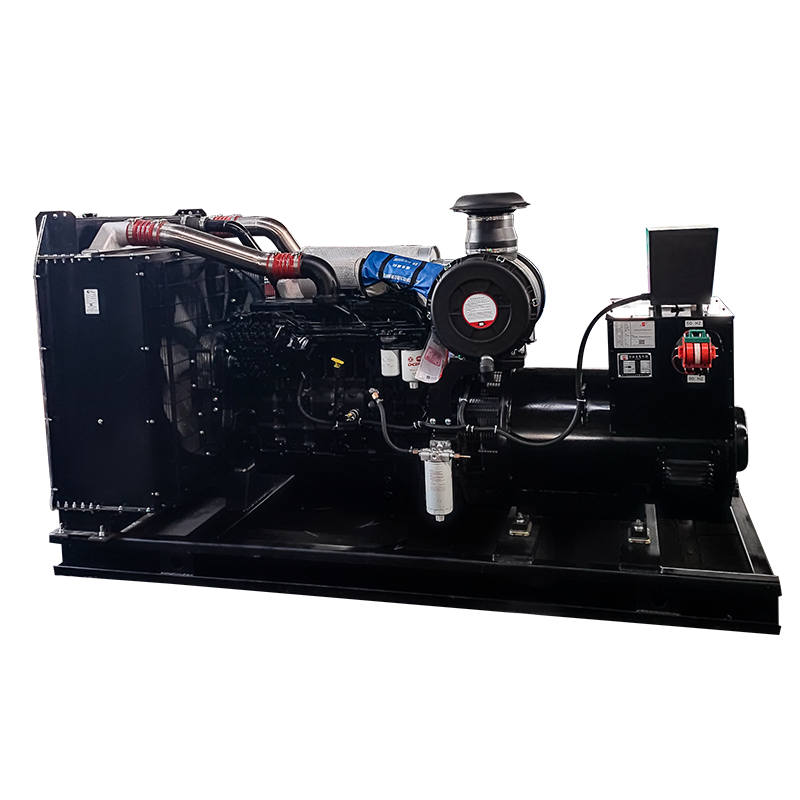
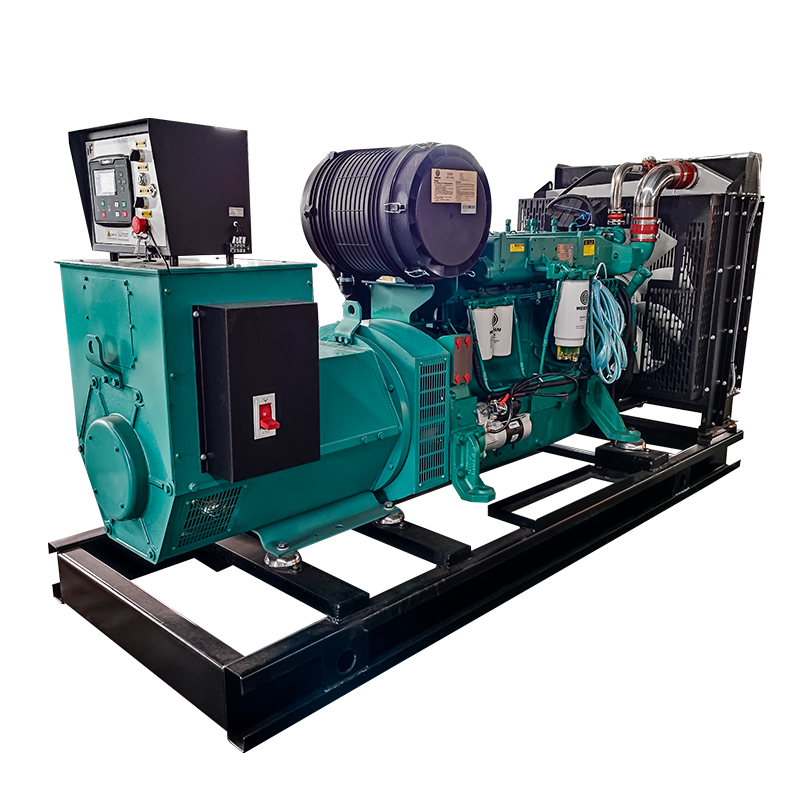
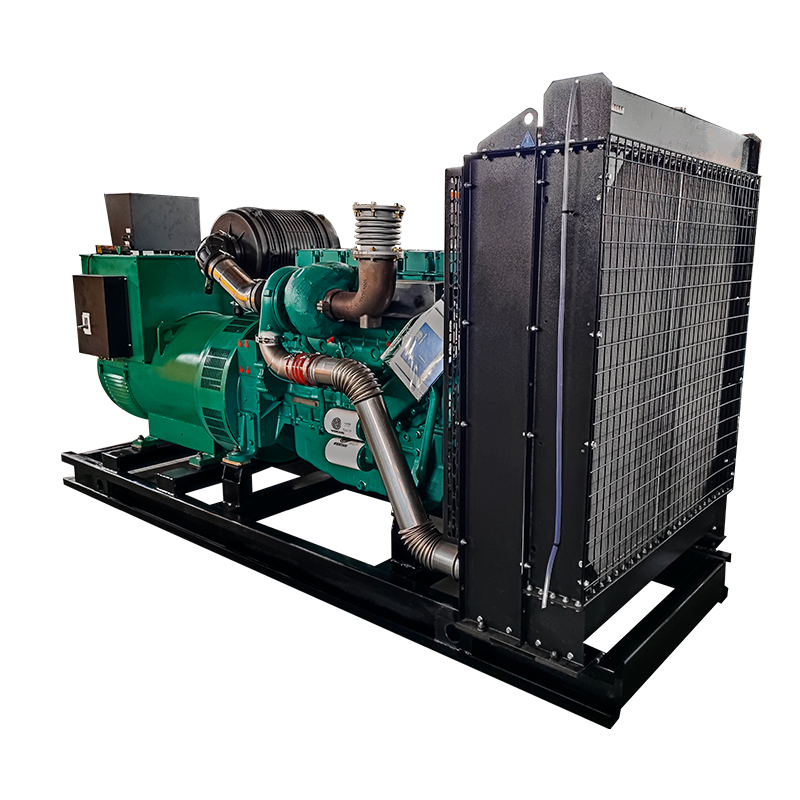
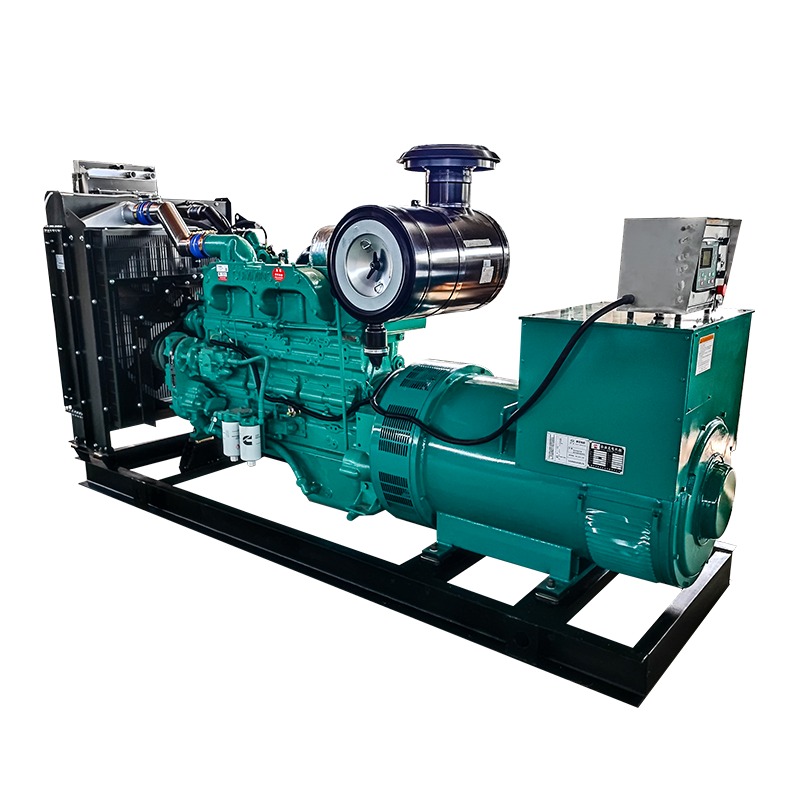 Генераторная установка Cummins мощностью 360 кВт для увеличения нагрузки Если ожидается рост нагрузки выше 300 кВт, этот комплект мощностью 360 кВт обеспечивает дополнительный запас без необходимости использования параллельных модулей. Объем двигателя и срок службы B10 различаются, поэтому при оценке предложений сравнивайте общие затраты на техническое обслуживание в течение гарантийного периода. Посмотреть продукт →
 Объем двигателя, диаметр цилиндра и ход поршня, а также срок службы B10 различаются в зависимости от модели, поэтому цены различаются. При сравнении предложений учитывайте расходы на техническое обслуживание в течение гарантийного периода, а не только цену покупки.
После поставки приемка должна быть сосредоточена на четырех областях: внешний вид, электрические параметры, эксплуатационные характеристики и документация.
| Проверить элемент | Стандарт приемки |
|---|---|
| Внешний вид и защита | Отсутствие повреждений от ударов, отсутствие явной коррозии, клеммы надежно закреплены. |
| Сопротивление изоляции | Сопротивление обмотки на землю не менее 2 МОм при мегомметре 500 В. |
| Напряжение холостого хода | 400В ±2%, частота 50Гц ±0,5Гц |
| Повышение температуры под нагрузкой | Повышение температуры обмотки в пределах ограничений производителя. |
| Документация | Протокол заводских испытаний, сертификат, инструкция, гарантийный талон. |
Если контракт включает испытание под нагрузкой, запустите установку при 100% резервной нагрузке в течение одного часа и контролируйте напряжение, ток, частоту и температуру масла. Устраните любые неисправности перед вводом в эксплуатацию.
Стоимость жизненного цикла обычно включает топливо, масло, фильтры и рабочую силу. Для двигателя мощностью 260 кВт, установленного на нагрузку 70% в течение четырех часов в день, расход топлива составляет около 48 л/ч, и одни только ежемесячные счета за топливо могут быть значительными.
Интервалы технического обслуживания измеряются в часах работы: проверка масла и масляного фильтра каждые 250 часов, проверка воздушного фильтра и охлаждающей жидкости каждые 500 часов, зазор клапанов и замена охлаждающей жидкости каждые 2000 часов. Эти графики должны быть подтверждены производителем для вашей конкретной комбинации генератора и двигателя.
260кВт – активная мощность, 325кВА – полная мощность. Соотношение между ними и есть коэффициент мощности, обычно 0,8. Кабели, выключатели и мощность двигателя указаны в кВА или кВт, поэтому не смешивайте эти два значения.
Да. Благодаря параллельному контроллеру и защите синхронизации два блока мощностью 260 кВт могут разделить нагрузку и обеспечить резервирование.
Стандартный базовый бак обеспечивает около 8 часов работы при полной нагрузке. Если заправка на месте затруднена, увеличьте объем бака до 24 часов или более.
Стандартный набор составляет от 85 до 90 дБ(А) на расстоянии одного метра. Промышленный глушитель доводит его до 75 дБ(А), а закрытый навес может снизить уровень шума примерно до 65 дБ(А) или ниже.
Дизель-генераторная установка Cummins мощностью 260 кВт — это экономически эффективное «золотое пятно» для резервного и основного электроснабжения во многих отраслях промышленности. Надежность его работы зависит не столько от марки, сколько от проверки нагрузки, выбора конфигурации и дисциплины обслуживания. Подтвердите режим работы, рассчитайте пусковой ток и проверьте поступающее оборудование по приемочному листу. Вот как вы заставите агрегат Cummins мощностью 260 кВт работать усердно, когда это важно.
Рекомендуемые продукты
Инженерная поддержка за пределами генератора

Нужны ли вам стандартные генераторные установки или сложные инженерные проекты, наша команда готова предоставить профессиональную поддержку.
Продукция
Опытные сотрудники и эксперты всегда готовы предоставить профессиональные консультации и решения технических проблем.